


IV Hydration vs. Oral Vitamins: What Works Best for You?
Updated: Sep 25, 2025
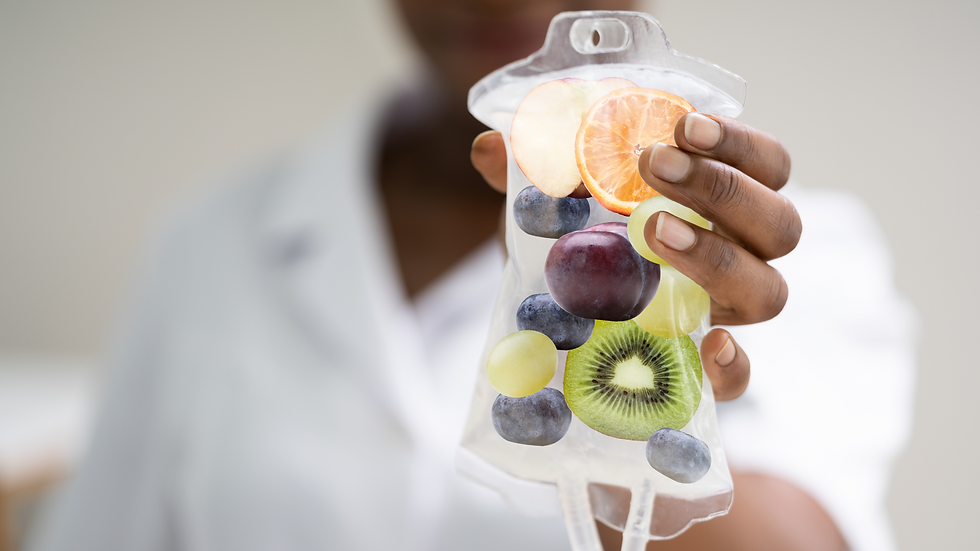
Choosing between IV hydration and oral vitamins depends on what your body needs most—fast-acting support, routine maintenance, or specific clinical conditions. Both have pros and cons, and understanding these can help you make a well-informed choice.
Absorption and Bioavailability
Oral vitamins are processed through the digestive system, where absorption can be limited by factors like gut health, metabolism, and nutrient interactions. Absorption rates often range from 10% to 50% depending on the vitamin and individual digestive function.
IV hydration and nutrient infusions, in contrast, bypass the gut entirely, delivering nutrients directly into the bloodstream for nearly 100% immediate absorption and almost full bioavailability. This is particularly beneficial if you have digestive issues or need rapid replenishment.
2. Speed of Effect
Oral supplements take time—hours, days, or more—to build up in the system. They’re ideal for gradual, long-term nutritional support.
Conversely, IV therapy offers the advantage of rapid results—you're tapping into nutrients within minutes to hours. This makes it especially helpful for dehydration, severe fatigue, or immune support needs.
3. Hydration Benefits
Oral hydration methods, like drinking water or electrolyte drinks, work over time but depend on continued intake.
IV hydration delivers fluids and electrolytes directly into the bloodstream for fast replenishment—especially valuable post-exercise, during illness, or after events like long travel or heavy sweating.
4. Convenience and Customization
Oral vitamins are convenient, budget-friendly, and easy to take regularly.
IV therapy offers customized blends tailored to your needs—such as added B12, antioxidants, or electrolytes—but requires medical visits and is more expensive.
5. Safety and Oversight
IV therapy must be administered by qualified professionals. Risks include infections, nutrient overdose, or vein irritation. It’s crucial to assess health conditions like kidney or heart issues before undergoing treatment.
Oral vitamins, while generally safer, also carry risks if overused—especially fat-soluble vitamins like A, D, E, and K, which can accumulate and become toxic.
6. Who Benefits Most from Each
IV hydration is especially useful for:
Individuals with digestive disorders
People needing fast recovery from illness, surgical procedures, dehydration, or intense activity
Very low absorption cases or nutrient deficiencies needing immediate correction
Oral vitamins are best suited for:
Everyday wellness maintenance
Long-term nutrient support
Cost-conscious individuals with healthy digestion


Comments